

A Modern Coin Collection Needs More Than Storage Boxes
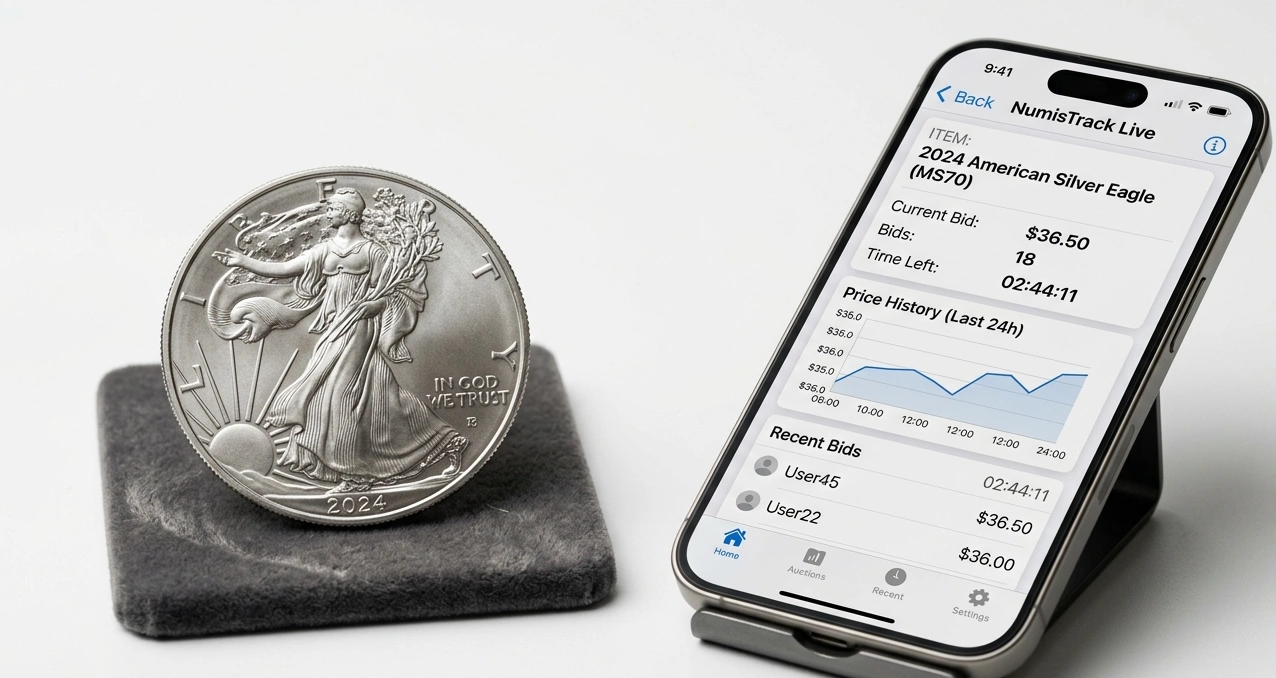
Serious coin collecting at the current stage of market development rules out using primitive paper logs and basic spreadsheets.
Requirements for recording physical condition, provenance, and current market value increase constantly.
Utilizing specialized software like Coin ID Scanner or CoinScope represents a basic necessity for minimizing financial risks.
Systematizing database records inside professional platforms allows immediate access to authenticity data and price trends.
The best coin collecting software protects collectors from purchasing counterfeit items by cross-referencing global databases.
Physical storage boxes safeguard metal surfaces, but they fail to manage the intellectual assets of a serious portfolio.
Limitations of Traditional Cataloging Methods
Traditional database management relying on manual text entry introduces high rates of human error.
Standard spreadsheets lack real-time integration with live databases of international auction houses.
Locally stored files remain highly vulnerable to sudden hardware failures and accidental deletion.
Physical ledger books fail to provide instant search capabilities during rapid transactions at trade shows.
Risks of Simple Lists
Complete data loss during local drive failure
Total absence of automated price updates
Impossible quick export for insurance appraisal
Constant manual entry errors regarding physical dimensions
Infrastructure of a Modern Collection
Modern cataloging software performs automated recognition of metallic discs using high-resolution photographs.
Applications utilize artificial intelligence algorithms comparing image contours with reference samples from archival catalogs.
Mobile device cameras scan coin surfaces, identifying relief details and inscriptions within seconds.
Integrated software modules pull recent public sale records automatically from platforms like Heritage Auctions and Stack's Bowers.
Cloud synchronization ensures constant database availability across multiple devices under secure encryption protocols.
Platform | Recognition Method | Price Data Source | Integration Type |
Coin ID Scanner | Optical contour analysis | Professional databases | Mobile application |
CoinScope | Relief grid comparison | Archival auction catalogs | Web interface |
Numista | Manual input with suggestions | User transaction histories | Cloud platform |
Professional Grading as the Basis of Valuation
Determining authenticity through authoritative grading companies directly impacts the market worth of coins.
Professional Coin Grading Service and Numismatic Guaranty Company represent the leading global authorities in certification.
Numeric grading on the Sheldon scale ranging from 1 to 70 points serves as the absolute international standard.
Specimens sealed in rigid plastic holders remain protected from mechanical wear and environmental factors.
Certified coin capsules feature unique holographic labels and barcode identifiers preventing tamper attempts.
Reasons for Mandatory Grading
Official confirmation of authenticity by certified experts
Assignment of a precise preservation grade
Registration of a unique identification number in the database
Simplified selling process on public auctions
Market Analysis and Historical Price Statistics
Financial coin values demonstrate steady growth over long time horizons.
Verified factual information regarding specific historical issues appears below, confirmed by official auction records.
Highly detailed transaction histories allow investors to calculate compound annual growth rates for individual specimens.
Metals in Numismatics
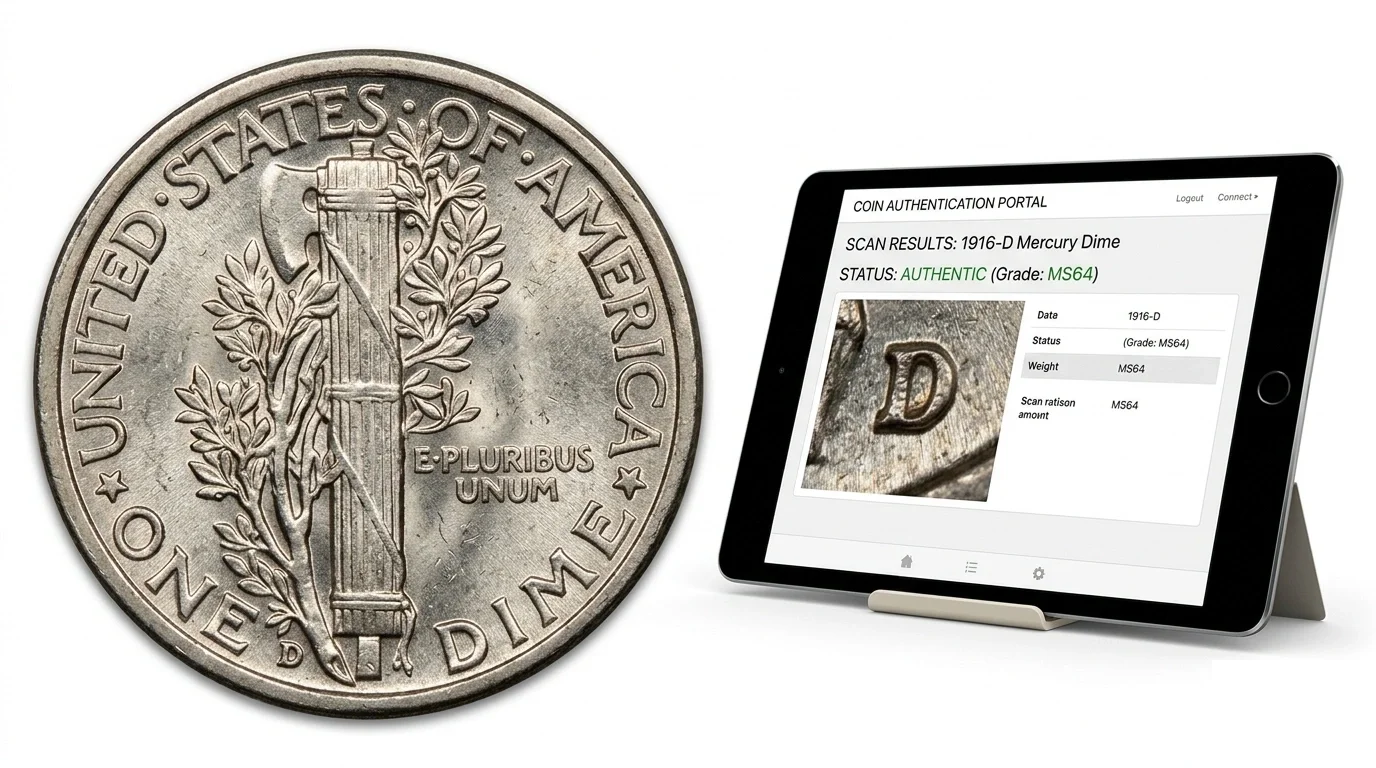
Accurate weighing of coins helps detect crude counterfeits at early stages of analysis.
Weight of an authentic item always matches the official mint standard with tolerance limits down to hundredths of a gram.
Precious metal purity remains the primary driver of bullion coin pricing globally.
Coin Name | Metal Composition | Pure Metal Weight in Grams | Total Weight in Grams | Diameter in Millimeters |
South African Krugerrand | 91.7% Gold 8.3% Copper | 31.10 | 33.93 | 32.77 |
American Gold Eagle | 91.7% Gold 3% Silver 5.3% Copper | 31.10 | 33.93 | 32.70 |
Canadian Gold Maple Leaf | 99.9% Gold | 31.10 | 31.11 | 30.00 |
Austrian Gold Philharmonic | 99.9% Gold | 31.10 | 31.10 | 37.00 |
Risks of Physical Storage Without Digital Auditing
Lacking a detailed digital passport of a collection complicates working with law enforcement agencies in case of theft.
Physical vaults remain exposed to unauthorized access risks by third parties.
Keeping a secure remote backup of the registry guarantees data survival upon destruction of local hardware.
Unrecorded items cannot be legally proven as personal property during estate planning and probate court procedures.
Risk Factors for Unregistered Holdings
Impossibility of proving ownership in court
Difficulties calculating customs duties during transportation
Outright denial of insurance claims without independent grading
Rapid value degradation caused by misidentifying storage conditions
Insurance Valuation and Legal Ownership Frameworks
Issuing an insurance policy requires submitting valid authenticity certificates from professional grading organizations.
Insurance underwriters utilize statistical data from specialized software calculating monthly premium rates.
Regular portfolio revaluation allows timely adjustments of coverage limits in the insurance agreement.
Digital coin finder featuring high-resolution photography satisfies legal requirements for proving pre-loss condition.
Investor Action Protocol for Insuring a Collection
Registering all items in a digital catalog recording certificate numbers → Conducting independent appraisal by certified specialists → Submitting a digital copy of the database to insurance representatives → Executing the contract establishing the market value of assets.
Specifics of Investing in Modern Commemorative Issues
Market behavior of modern precious metal commemorative coins exhibits high volatility.
Price relies heavily on the total mintage and popularity of the theme among end buyers.
Limited mintages below 1000 pieces demonstrate the maximum rate of price appreciation during initial years after release.
Predicting demand for modern issues requires analyzing historical sell-out rates of similar series.